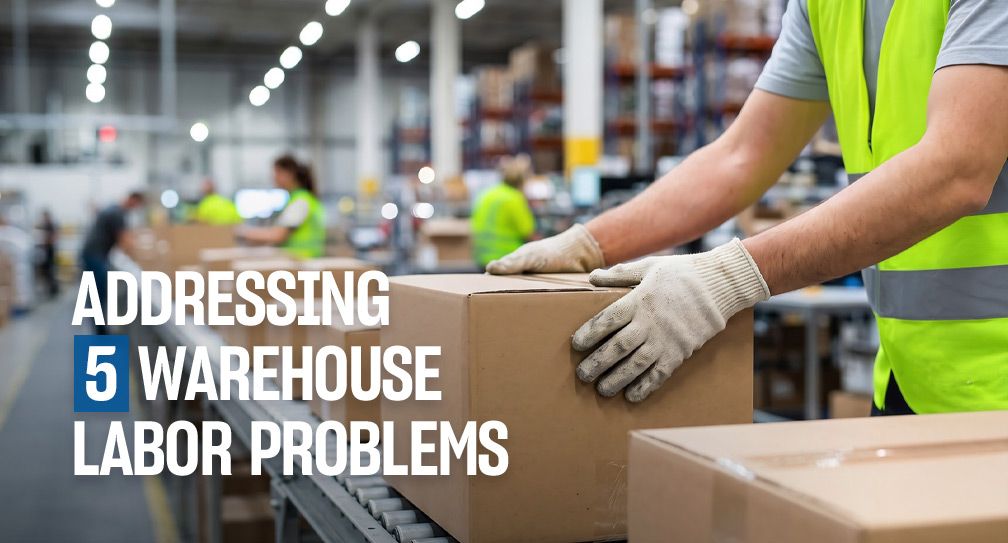
Warehouse labor problems that automated packaging equipment solves include staffing shortages, injury risk, high labor cost, the difficulty of scaling with a small team, and capacity crunches during seasonal peaks. Automation addresses all five by reducing how many people a packaging line needs while raising output per shift. Here is how the right equipment solves each one.
THE STAFFING GAP 
How does automated packaging equipment solve warehouse staffing shortages?
Automated packaging equipment solves staffing shortages by reducing the number of workers a packaging line needs, so a facility can hold throughput even when open positions go unfilled. One operator can often manage what used to take two or three people. That lowers how much a tight labor market can hurt output.
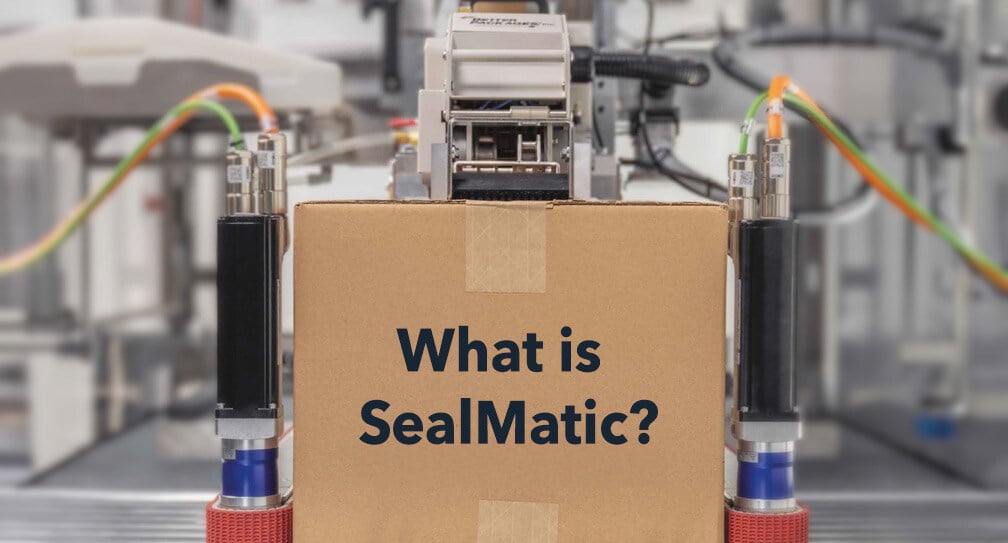
It reduces how hard a staffing gap hits the line in the first place. A single case erector or automatic taping system can absorb output that used to require a full shift of manual labor.
THE INJURY COST OF MANUAL SEALING
How does packaging automation reduce workplace injury risk?
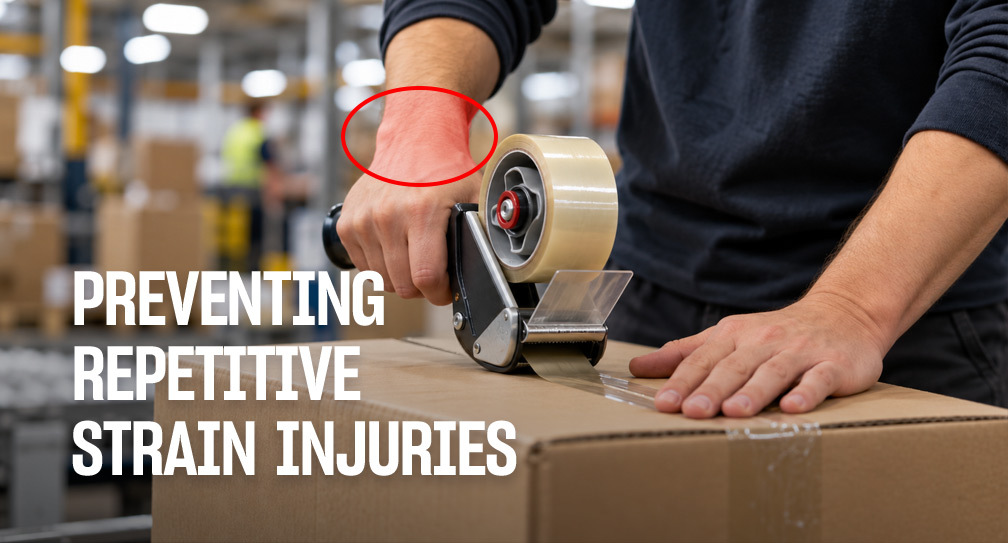
Packaging automation reduces workplace injury risk by taking over the repetitive lifting, bending, and manual sealing motions behind many common warehouse injuries. A hand-held tape gun requires the same shoulder and wrist motion hundreds of times a shift, and that repeated squeeze is a known driver of repetitive strain claims across the packaging industry. Removing that motion from the job lowers both how often related injuries happen and how severe they tend to be.
WHERE THE SAVINGS SHOW UP
What is the ROI of automated packaging equipment?
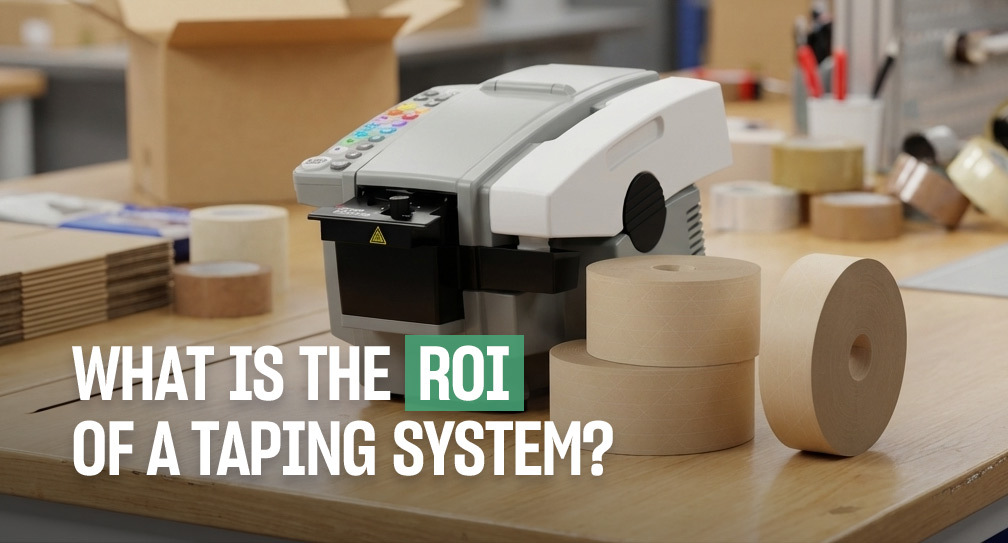
The ROI of automated packaging equipment comes from lower labor cost per package, fewer injury-related costs, and higher throughput per shift. Independent SGS testing on Better Pack electric dispensers puts real numbers on part of that case, and payback timelines beyond that vary by shift volume and current labor cost, so it is worth running the math against your own package volume rather than an industry average.
|
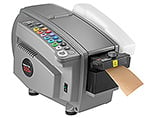
Better Pack Electric Water-Activated Tape Dispensers SGS testing found electric WAT dispensers increase packer productivity 21% over a hand-held tape gun, while using 8% less tape per carton because each dispenser measures out only the length a carton needs. For most operations, that combination of speed and lower material spend is where the ROI shows up first. |
AUTOMATION FOR SMALLER TEAM
Is packaging automation affordable for small teams?
Packaging automation is affordable for small teams because manufacturers build entry-level machines sized for lower volumes and smaller budgets, not just full production lines. A small team does not need to automate an entire line to see labor savings. A single dispenser can cover the sealing step on its own.
|
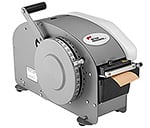
Better Pack 333 Plus A manual water-activated tape dispenser built for light to medium volume, roughly 1 to 75 cartons a shift, with no electricity required and a steel frame built for years of daily use. It is a common starting point for a small team that is not ready to invest in a full electric or automated line yet. |
The idea that automation is only for large operations comes from an older generation of equipment built for high-volume manufacturers. That is no longer the case. A small operation running a few thousand packages a week can automate its sealing step and free up a person for other work.
BUILT FOR THE Q4 SURGE
The 5 Warehouse Labor Problems with Automated Packaging Equipment
Packaging automation helps warehouses scale for seasonal surges by absorbing higher order volume without adding temporary staff. Equipment that already runs during normal months can run longer shifts or higher speeds during peak season, covering volume that used to require seasonal hires. That matters most right now, in September and October, when many operations start staffing up for the holiday rush.
Temporary labor during peak season carries its own costs: hiring time, training time, turnover. A packaging line that can flex its own output removes one seasonal hiring cycle from the plan entirely.
|
LABOR PROBLEM |
WHAT AUTOMATION CHANGES |
BUYER OUTCOME |
|
1. Staffing shortage |
Fewer operators needed per line |
Keep throughput with a smaller crew |
| 2. Injury risk | Less repetitive lifting and manual handling | Safer workplace with reduced injury risk |
| 3. Labor cost | Lower cost per package shipped | 21% productivity gain, 8% less tape used |
| 4. Small team scaling | Entry-level machines sized for smaller crews | Automation fits inside a smaller budget< |
| 5. Seasonal peak | Absorbs volume spikes without new hires | Meets Q4 demand without a last-minute scramble |
THE BOTTOM LINE
Automation Solves More Than One Problem at Once
Staffing, injury risk, labor cost, small-team budgets, and seasonal scaling are usually treated as five separate problems. On the floor, they are one problem with five symptoms. The equipment that reduces how many hands a carton needs to pass through before it ships addresses all five at the same time, which is why it is worth evaluating as a single decision rather than five separate business cases.
COMMON QUESTIONS
Frequently Asked Questions
|
See the Data Behind the Numbers Better Pack's SGS testing and full dispenser lineup are both online. |