It’s not just about "going green"—it’s about efficiency, compliance, and the bottom line.
A few years ago, sustainable packaging was treated as a "nice to have" - a bonus feature for eco-conscious brands. But as we move through 2026, the narrative has changed completely. Sustainability is no longer just a marketing buzzword; it is an operational necessity.
With tighter regulations on single-use plastics and a consumer base that demands circularity, the "impact" of sustainable packaging is now measured in two ways: Ecological Footprint and Operational Efficiency.
Here is how upgrading your packaging strategy delivers on both fronts.
The Business Case: Less Waste = Less Cost
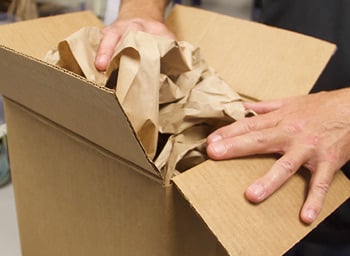 There is a misconception that "green" costs more. In reality, optimized sustainable packaging often drives costs down.
- Lightweighting Reduces Freight: Modern eco-friendly materials are designed to be stronger but lighter. By replacing heavy, over-packed boxes with streamlined solutions like paper mailers, you reduce the dimensional (DIM) weight of every shipment.
- Efficiency in Disposal: When you eliminate mixed materials (like a box with plastic tape and foam peanuts), you streamline the waste stream.
The Gold Standard: Cradle to Cradle Certified® (C2C)
How do you prove your packaging is actually sustainable and not just "greenwashed"? You rely on science-based standards.
At IPG, we align our innovation with the Cradle to Cradle Certified® (C2C) Products Program. This isn't just a label; it is a rigorous assessment that ensures a product is designed for a circular economy.
 To achieve this certification, our products are scored on five critical pillars:
- Material Health: Ensuring chemicals used are safe for humans and the environment
- Product Circularity: Eliminating waste by keeping materials in use.
- Clean Air & Climate Protection: Manufacturing with renewable energy and reducing emissions.
- Water & Soil Stewardship: Treating water as a precious resource.
- Social Fairness: operating with respect for human rights and ethical business practices.
When you use C2C Certified packaging, you aren't just buying a box; you are buying third-party validation that your supply chain is clean.
The IPG Toolkit: High-Impact Products
Now that we understand the standard, here are the tools you need to meet it. IPG offers a suite of products that combine high performance with the highest levels of sustainability.
1. The Curby® Collection (Curbside Recyclable)
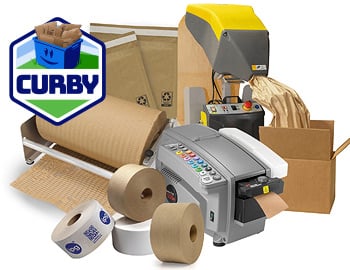 The easiest way to make an impact is to make recycling effortless for your customer.
-
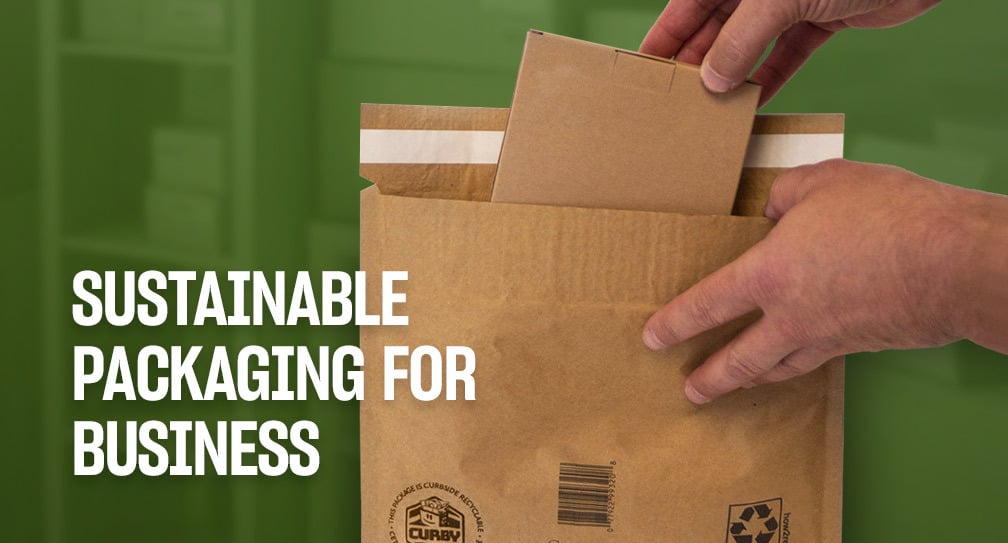
Curby Mailer™: Abandon the plastic poly mailer. Our paper-based mailers offer superior cushioning and can be tossed directly into the curbside recycling bin.
-
Curby Fragile Wrap: This honeycomb paper structure locks products in place, eliminating the need for plastic bubble wrap.
2. PaperSpace X-Fill™ (Gold Level C2C)
Void fill is often the biggest source of waste in a package.
-
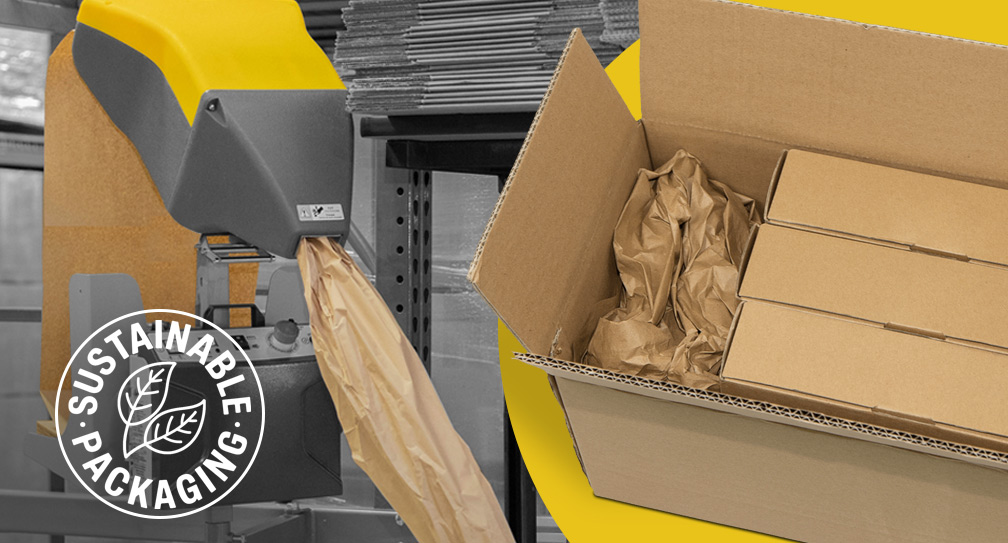
The PaperSpace X-Fill™ System isn't just effective; it holds a Gold Level C2C Certification. It creates a robust paper pad that absorbs shock and fills voids using recycled content. It is user-friendly, highly efficient, and creates zero plastic waste.
The 2026 Standard
By switching to C2C and curbside recyclable products, you do more than reduce your carbon footprint. You signal to your customers—and your shareholders—that your business is built for the future.
Ready to make an impact?
Explore IPG’s Cradle to Cradle Certified® Solutions